Biomedical Emergency, Acute, and Critical Care Trials and Observational Network (BEACON)

BEACON is a physician-investigator led consortium in the United States that works together to design and execute clinical research studies.

Network

Network

BEACON is network of collaborative and successful research groups at leading academic medical centers in the United States.

Clinical sites in BEACON are listed below in alphabetical order by institution name.

Albany Medical College
Albany, NY
Albany Medical Center is an urban academic tertiary care center in Albany, New York, and the flagship hospital of a four-hospital health system. Our adult emergency department sees more than 80,000 patients annually and serves as the regional referral center for northeastern New York to the Canadian border, southern Vermont, and western Massachusetts. Albany Med is also home to the region’s only children’s hospital, whose emergency department cares for more than 35,000 patients each year. As New York State’s busiest trauma center, Albany Med manages a high volume of critically ill and injured patients, including substantial blunt and penetrating trauma.
Alexander Bracey, MD, FACEP
Baylor Scott & White Health
Dallas, TX
Baylor Scott & White Health in Temple is a 636-bed, top-ranked teaching hospital and Level I Trauma Center founded in 1897. As part of the largest not-for-profit health system in Texas, it serves as a central hub for Central Texas, offering multi-specialty care, a Level IV maternal care center, and advanced transplantation services, Level I comprehensive stroke center, affiliated with Baylor College of Medicine, Temple campus.
Shekhar Ghamande, MD
Baystate Medical Center
Springfield, MA
Baystate Medical Center has a long history of conducting phase 2 and 3 clinical trials in the areas of ARDS and sepsis, including work as a center in the NHLBI ARDS and PETAL research networks. Baystate is a 750 bed teaching hospital. We provide tertiary care, level 1 trauma, comprehensive stroke service, mechanical cardiac support, and medical & surgical critical care for patients referred from throughout Western Massachusetts.
Mark Tidswell, MD
Beth Israel Deaconess Medical Center
Boston, MA
Beth Israel Deaconess Medical Center is a Harvard Medical School teaching hospital, an academic medical center, and a major adult tertiary-care referral center for New England. Located in Boston, BIDMC serves the Boston area and surrounding communities, with approximately 766 licensed beds, more than 39,000 inpatient discharges annually, and roughly 55,000 emergency department visits per year. It is part of Beth Israel Lahey Health, a regional system that includes 14 community, specialty, academic, and teaching hospitals, and provides advanced adult emergency, inpatient, ICU, trauma, specialty, and referral care.
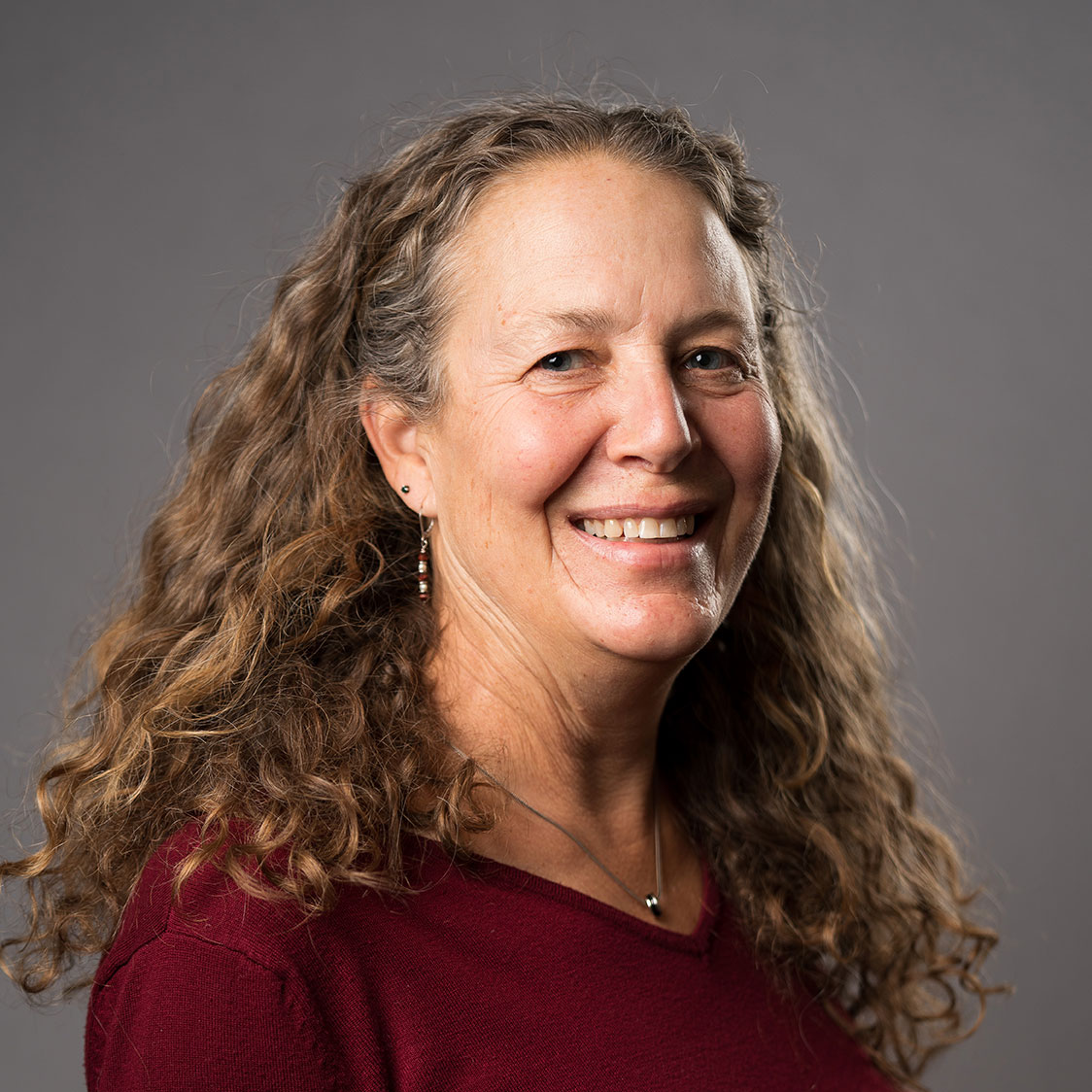
Nathan Shapiro, MD, MPH
Brigham and Women’s Hospital
Boston, MA
Brigham and Women’s Hospital (BWH) is an academic medical center located in the Longwood Medical Center Area, Boston, MA, and is part of Mass General Brigham Health System. BWH has 793 beds that includes 96 ICU beds, serve the population in a catchment area in Eastern Massachusetts with special programs in many specialties.
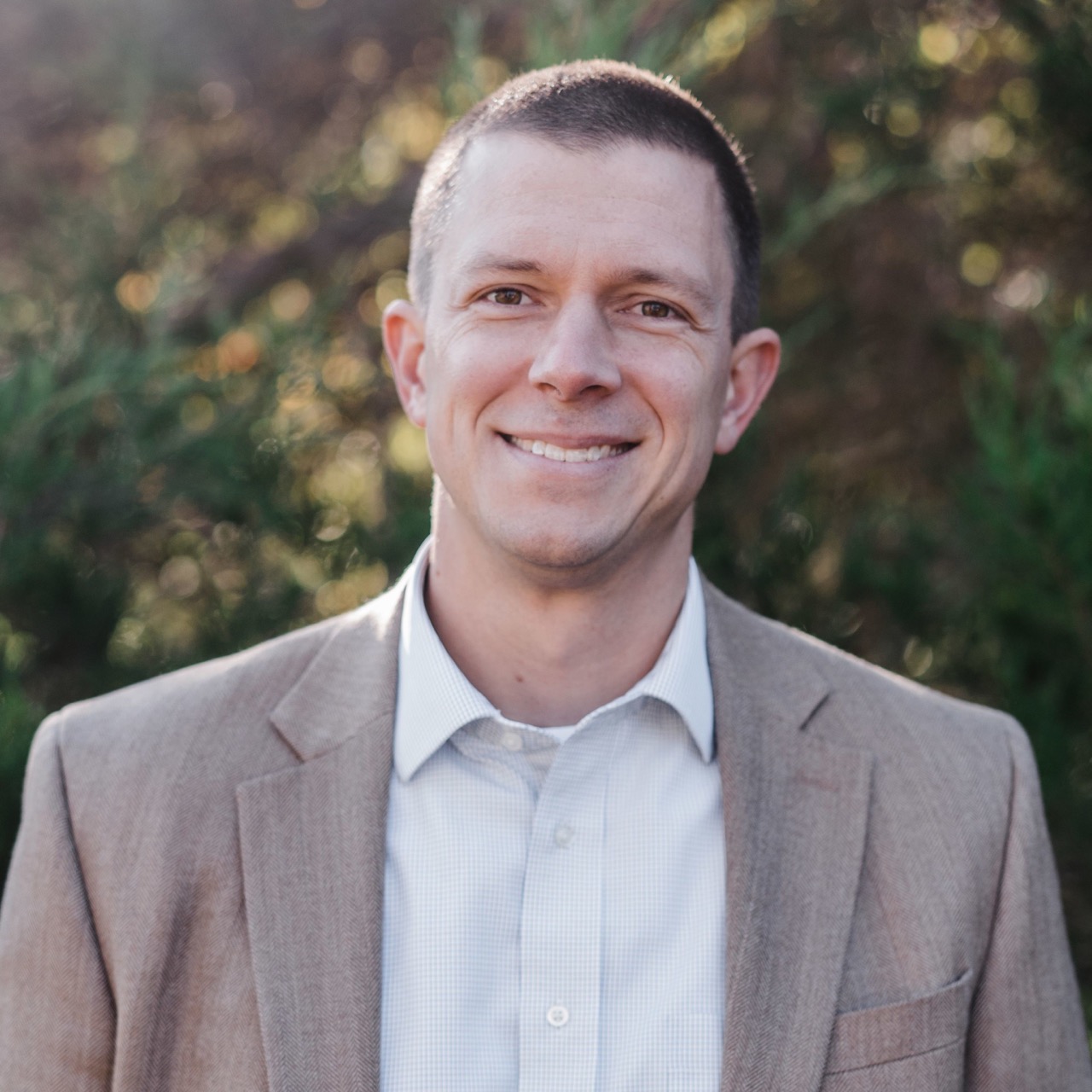
Peter Hou, MD
Cedars-Sinai Medical Center
Los Angeles, CA
Cedars-Sinai Medical Center is a tertiary referral center located in Los Angeles, CA. We have a large catchment that includes the greater Los Angeles County that includes over 10 million people. We have a diverse demographic with a large hispanic population.
Peter Chen, MD
Cleveland Clinic
Cleveland, OH
Headquartered in Cleveland, Ohio Cleveland Clinic is a nonprofit, multispecialty academic medical center with 6,728 total beds throughout the healthcare system, Cleveland Clinic is one of the largest hospitals systems in the country. Each year thousands of patients travel to Cleveland Clinic from every state in the nation and more than 112 countries around the world. Cleveland Clinic is structured by departments of related medical specialties, which collaborate as unified institutes offering patient-centered care.
Abhijit Duggal, MD, MPH, MSc
Duke University
Durham, NC
Duke Health, located in Durham, NC, is an academic health and medical system that integrates the Duke University School of Medicine, the Duke University Health System, and various biomedical and clinical research programs to deliver comprehensive clinical care, medical education, and breakthrough scientific research. Clinical trial participants are enrolled at a number of hospitals, with the flagship site being Duke University Hospital, a 1000+ bed academic tertiary / quaternary facility. Duke's local catchment area includes highly diverse populations spanning urban, suburban, and rural environments; nearly 15-25% of patients travel more than 200 miles to receive specialized care.
Christina Barkauskas, MD
Emory University
Atlanta, GA
The Satellite Trials Group of Emory (STaGE) is a consortium of investigators and coordinators located at multiple sites throughout Emory Healthcare, uniquely situated to support multiple clinical trials at Emory.  The overall objective of STaGE is to increase access to clinical trials for patients who would otherwise not be able to participate. Currently we recruit from over 150 ICU beds. Our patient demographics are diverse, ranging from urban to rural settings, and encompassing all ages, ethnicities and genders.
Laurence Busse, MD, MBA, FCCM
Hennepin County Medical Center
Minneapolis, MN
Hennepin County Medical Center is a public, safety net, 415-bed academic medical center located in downtown Minneapolis, Minnesota. It is the leading Level 1 Adult and Pediatric Trauma and Burn Center in the region, and is an affiliated training site for the University of Minnesota Medical School.
Matthew Prekker, MD, MPH
Henry Ford Health
Detroit, MI
Henry Ford Hospital is a large, academic quaternary care center and flagship of Henry Ford Health, serving a diverse urban and regional population across Southeast Michigan. The system includes multiple hospitals and emergency departments with a broad catchment area, supporting high-acuity care, advanced specialty programs (including cardiovascular, neurosciences, and trauma), and robust clinical research infrastructure. The patient population reflects significant clinical complexity and racial/ethnic diversity.
Joseph Miller MD, MS
Intermountain Medical Center
Salt Lake City, UT
Intermountain Medical Center is a Level I trauma center and tertiary/teaching hospital located just south of Salt Lake City, UT. The flagship hospital of the 33-hospital Intermountain Health system, Intermountain Medical Center serves as a major regional referral center for complex emergency, acute, and critical care across six surrounding states. Faculty investigators and staff belonging to Intermountain’s dynamic Acute Care Research Program have decades of experience participating in and leading large, collaborative, and impactful multisite trials and prospective observational studies designed to improve care for a wide array of conditions requiring emergency and critical care.
Ithan Peltan MD, MSc
Johns Hopkins Hospital
Baltimore, MD
Johns Hopkins Hospital is a 1166 bed quaternary academic medical center located in Baltimore , MD. It is one part of a five hospital healthcare system in the mid-Atlantic region.
David Hager, MD, PHD
Massachusetts General Hospital
Boston, MA
Massachusetts General Hospital (MGH) is a 1,057-bed tertiary care academic hospital with approximately 76,000 inpatient admissions annually, serving the Boston area and a hub for medical research. The Emergency Department (ED) volume is approximately 110,000 visits annually and there are over 100 certified adult intensive care unit (ICU) beds with over 8,000 adult ICU admissions annually. MGH has a long history of ED/ICU collaboration in clinical trials enrollment and critical care research.
Michael Filbin, MD
Medical University of South Carolina
Charleston, SC
The Medical University of South Carolina is a comprehensive academic medical center located in Charleston, SC with over 120 ICU beds. It provides quaternary referral care to the state of South Carolina and the Southeast region while also serving as a local hospital for the Lowcountry area. The hospital is the founding member of the MUSC Health system which now includes 18 hospitals across the state.
Andrew Goodwin, MD, MSCR
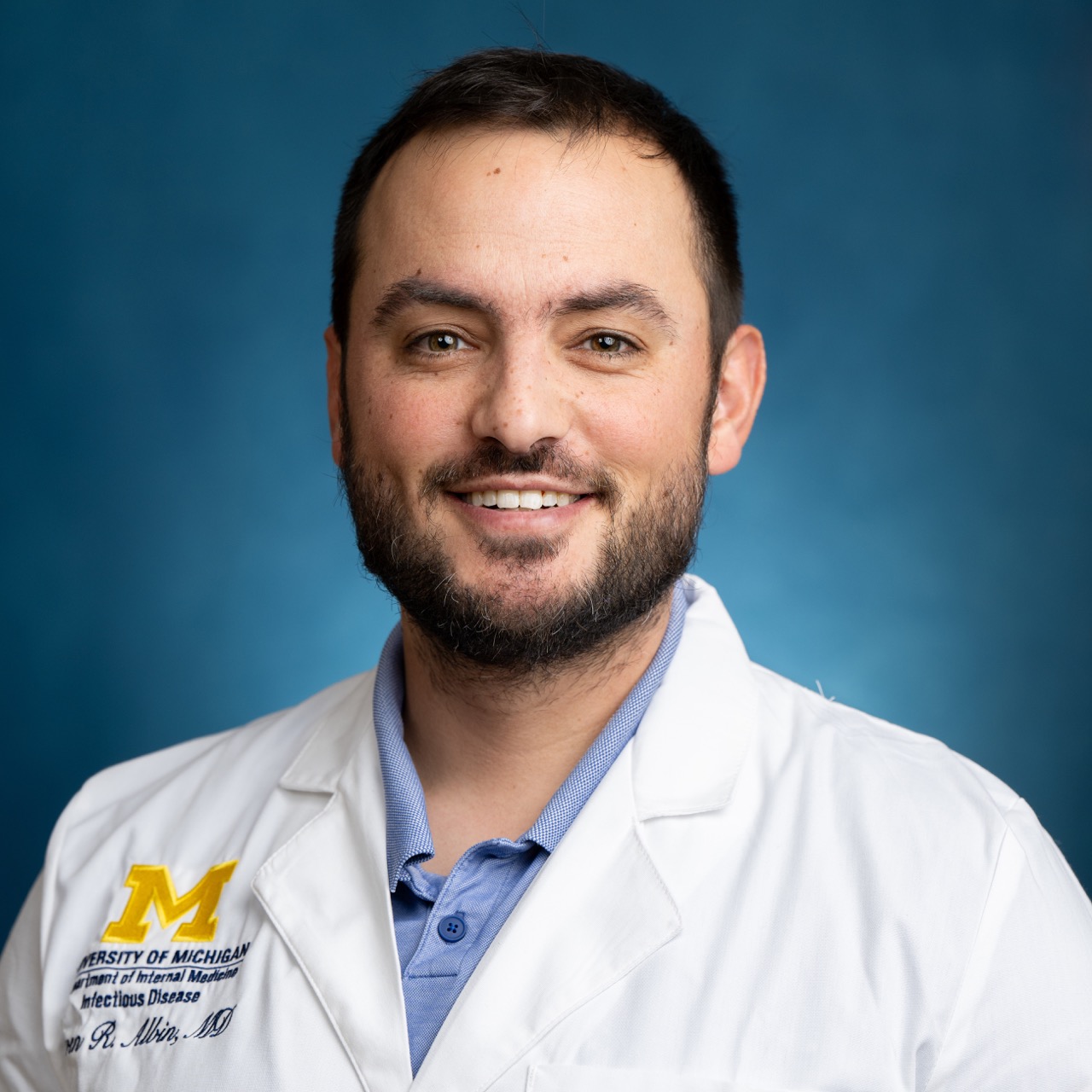
Michigan Medicine (University of Michigan Health)
Ann Arbor, MI
Michigan Medicine (University of Michigan Health), located in Ann Arbor, is a large academic health system and tertiary/quaternary referral center serving patients from across Michigan and the broader Midwest. The health system includes over 1,000 beds and multiple specialized intensive care units with > 200 ICU beds, with nationally recognized programs in critical care, transplantation, oncology, and infectious diseases. Michigan Medicine provides care to a diverse patient population, including both local community patients and complex referrals from a wide regional catchment area.
Owen Albin, MD
Montefiore / Einstein
Bronx, NY
Montefiore/Einstein is a leading academic health system in the Bronx and lower Westchester of New York. The system includes 10+ hospitals caring for a highly diverse patient population. The Bronx Center for Critical Care Outcomes and Resuscitation Research is a premier critical care research group at Montefiore/Einstein with extensive experience in multicenter clinical and observational studies.
Ari Moskowitz, MD, MPH
Michelle Gong, MD, MS
Northwestern University
Chicago, IL
Northwestern University partners with Northwestern Memorial Hospital (NMH), a quaternary care academic center located in Chicago, IL that serves adult patients from the greater Chicago area, Illinois and surrounding states. NMH is a level 1 trauma center that also has several high volume transplant programs, advanced oncologic services and comprehensive critical care units (medical, cardiac, cardiothoracic, neuro/neurosurgical, surgical).
Chiagozie Pickens, MD, MSCI
Ohio State University
Columbus, OH
The Ohio State University is an academic tertiary medical center in Columbus OH. We serve a catchment area of Central Ohio, Southeastern Ohio, West Virginia, and Northern Kentucky including rural, suburban, and urban populations. Our system had almost 19 million patient encounters in 2025. The inpatient footprint includes 1341 inpatient beds with 370,000 inpatient encounters and 12,800 ICU admissions in 2025.
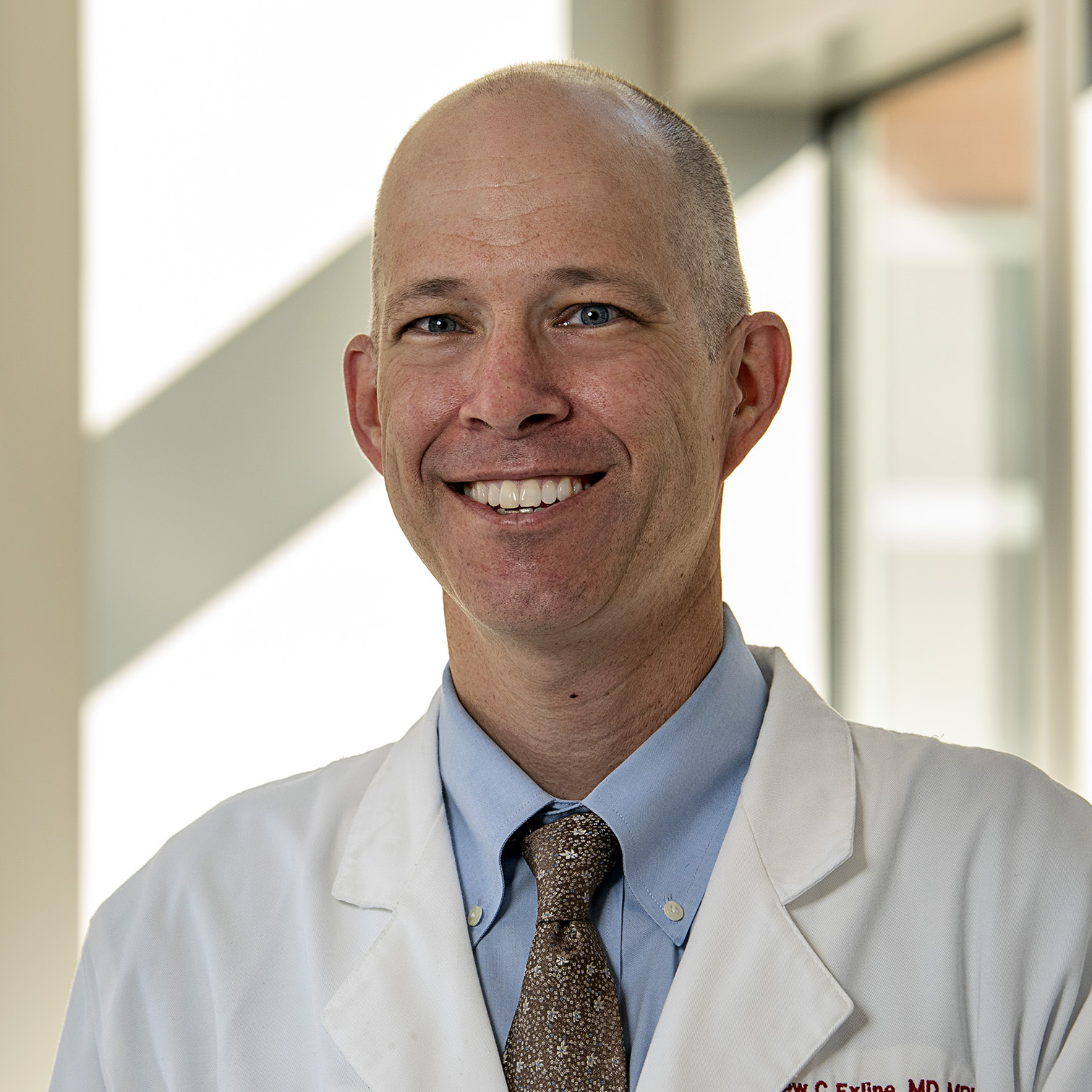
Matthew Exline, MD MPH
Oregon Health & Science University
Portland, OR
As Oregon’s only public academic health center, OHSU operates a 576-licensed bed system and a level 1 trauma Emergency Department, serving a massive, high-acuity catchment area across Oregon and southwest Washington. The inpatient and critical care services anchor the region's most complex cases, leveraging a dedicated Medical Intensive Care Unit (MICU) and specialised step-down units to provide continuous, multidisciplinary life support. Backed by a $4.9 billion health system budget, the site integrates this heavy inpatient and emergency volume with leading-edge clinical trial research and robust critical care fellowships to serve a highly diverse and medically fragile population.
Terri Hough, M.D., MSc.
Akram Khan, MBBS
Ronald Reagan UCLA Medical Center
Los Angeles, CA
Ronald Reagan UCLA Medical Center is a Level 1 trauma and pediatric critical care center featuring 520 inpatient beds with seven dedicated intensive care units. Part of the UCLA Health System and located on the UCLA campus in West Los Angeles, the hospital serves a primary catchment area of over 656,000 residents and treats more than 50,000 emergency patients annually. It also serves as the primary teaching hospital for the David Geffen School of Medicine.
Gregory Hendey, MD
Steven Chang, MD, PhD
Rush University Medical Center
Chicago, IL
Rush University Medical Center is an academic medical center in Chicago, IL, comprising a 671-bed hospital. Its Emergency Department serves approximately 74,000 patients annually from a diverse population across Chicago and the broader metro market. The critical care program at RUMC includes two medical ICUs, an Adult ICU with mixed medical and surgical patients, a neurosciences ICU, and a cardiosciences ICU. Nationally recognized as a top-ranked institution, Rush is part of the Rush University System for Health, which includes two other hospitals and is centered on integrating outstanding patient care, research, education, and community partnerships to serve its diverse urban catchment area.
Kevin Buell MBBS, MS
Stanford University
Palo Alto, CA
Stanford School of Medicine informs leading edge clinical care and research at Stanford Health Care. Stanford Health Care includes a large health system throughout the San Francisco Bay Area, including three hospitals, specialty centers for cancer, organ transplant, critical care, cardiovascular, neurology. The Bay Area encompasses a nine-county metropolitan area that is demographically diverse. The diversity provides a broad representation across many disease states.
Joseph Levitt, MD
UC Davis Health
Sacramento, CA
UC Davis Health is a tertiary/quaternary academic medical center in Sacramento, California, and the primary teaching hospital for the UC Davis School of Medicine. As the region’s only combined adult and pediatric Level I trauma center, it serves a large, diverse patient population across Northern California, providing high-acuity care that supports robust enrollment for critical care clinical trials. The Pulmonary, Critical Care, and Sleep Medicine research program works with faculty intensivists, investigational and critical care pharmacists, respiratory therapists, and the UC Davis Clinical and Translational Science Center to execute complex, protocol-driven studies in critically ill populations. 
Timothy Albertson, MD, MPH, PhD
UF Health (University of Florida)
Gainesville, FL
UF Health–Gainesville is the University of Florida’s flagship academic medical center and a high-acuity tertiary/quaternary referral hub serving North Central Florida and the broader Southeast, with a 135,000-visit emergency care enterprise and advanced adult and pediatric critical care capabilities. As a Level I trauma, comprehensive stroke, burn, and chest pain center, our site serves a diverse catchment area spanning urban, suburban, rural, and medically underserved communities, creating an ideal environment for pragmatic emergency, acute, and critical care trials. Our clinical trial infrastructure is further strengthened by the UF College of Medicine Clinical Research Hub, which provides centralized study intake, budget and feasibility support, OnCore and Epic research workflows, participant tracking, revenue capture, and enterprise-wide operational guidance for NIH-defined clinical trials.
Brandon Allen, MD
University of Alabama at Birmingham
Birmingham, Al
University of Alabama at Birmingham (UAB) Hospital — Program in Medical ICU Research (PRIMER) UAB Hospital is a ~1,200-bed academic quaternary-referral and Level I trauma center — one of the largest public hospitals in the United States — and the principal critical-care destination for Alabama and the broader Deep South, with referrals from Mississippi, the Florida panhandle, west Georgia, and Tennessee. Adult intensive care is delivered across multiple specialty units anchored by the Medical ICU, which houses the Program in Medical ICU Research (PRIMER) and is integrated with the NCI-designated O'Neal Comprehensive Cancer Center, high-volume solid-organ and hematopoietic stem cell transplant services, and a regional ECMO referral program. The MICU patient population reflects the critical-illness burden of the Deep South with high prevalences of obesity, hypertension, diabetes, sickle cell disease, and rural and medically underserved patients.
Derek Russell, MD
University of Arizona / Banner University Medical Center-Tucson
Tuscon, AZ
The University of Arizona/Banner University Medical Center-Tucson is a large academic teaching hospital serving Southern Arizona.  .
Jarrod Mosier, MD
University of California, San Francisco
San Francisco, CA
The University of California, San Francisco has extensive experience with leading clinical trials at UCSF Parnassus with 48 medical and surgical beds dedicated for enrollment of patients with ARDS, Sepsis, and Pneumonia in Clinical Trials. Our busy ICU has 36 medical and surgical ICU beds with tertiary referral and community patients (San Francisco). 
Michael Matthay, MD
Professor of Medicine and Anesthesia and Associate Director of Critical Care Medicine
Narges Alipanah-Lechner, MD, MAS
Asst Professor of Medicine
University of Cincinnati
Cincinnati, OH
The University of Cincinnati Medical Center is a 724 bed tertiary care hospital, the only academic medical center in the region and serves the urban Cincinnati population as well as rural populations from Ohio, Kentucky and Indiana. We have large renal and liver transplant programs, active CAR-T cell/BMT groups and are a Level I trauma center. 
Kris Hudock, MD, MSTR
University of Colorado Anschutz
Aurora, CO
The University of Colorado Anchutz Medical Center, located in Aurora, Colorado, and is part of the UCHealth System that serves the front range spanning several states location in the Mountain West Region, and including a diverse patient mix within metropolitan and rural Colorado counties and districts. Anschutz Medical Center is a high-acuity, high-volume academic medical center with more than 60 ICU beds available for a broad range of critically ill patients with organ(s) dysfunction due to sepsis, respiratory failure, cardiac failure, and progressive liver disease. Anschutz also has a large oncology program, and is a high volume center for solid organ and hematopoietic transplantation. 
Neil Aggarwal, MD
Adit Ginde, MD, MPH
University of Iowa
Iowa City, IA
University of Iowa Health Care is an 811-bed adult and pediatric academic medical center located in Iowa City, Iowa. As the primary tertiary referral center for Eastern Iowa and surrounding states, the University of Iowa provides advanced trauma, stroke, cardiac, oncologic, transplant, and critical care serves for residents of Iowa and the region.
Nicholas Mohr, MD, MS
University of Pittsburgh Medical Center
Pittsburgh, PA
UPMC is a multistate integrated health system headquartered in Pittsburgh, PA. Its 40 hospitals include a full spectrum of hospital types, from critical-access to quaternary centers, with approximately 630 ICU beds serving a catchment population of approximately three million.
Niall Prendergast, MD
University of Utah
Salt Lake City, UT
As the only academic medical center in Utah, University of Utah Health strives to provide the best health care science has to offer. From our conveniently located health centers to our hospitals and centers, some of the world's brightest minds are working tirelessly to make health care better for patients in Utah and surrounding states. We have an established tradition of seamlessly integrating clinical research with cutting edge care.
Estelle Harris, MD
University of Virginia Health
Charlottesville, VA
UVA Health is a tertiary referral academic medical center located in Charlottesville, VA. The hospital capacity is >650 beds, including a 28-bed medical ICU, and serves a catchment area that spans 87 counties of mixed rural and urban populations across northern, central, southside, and southwestern Virginia as well as eastern West Virginia. Specialized services include serving as a Level 1 Trauma center, NCI-designated Comprehensive Cancer Center, and solid organ and stem cell transplantation.
Jeffrey Sturek, MD, PhD
University of Washington / Harborview Medical Center
Seattle, WA
Harborview Medical Center in Seattle, is part of the University of Washington School of Medicine and serves as the primary critical care and tertiary referral hospital for the five-state Washington, Wyoming, Alaska, Montana, and Idaho (WWAMI) region, which spans nearly 30% of the U.S. landmass and includes a diverse urban-rural population. As the only Level 1 trauma and burn center in this area, Harborview provides comprehensive emergency, resuscitation, and critical care services, including advanced neurocritical care, trauma ICU, burn ICU, and extracorporeal membrane oxygenation. Supported by UW's research enterprise-consistently ranked among the top U.S. institutions for NIH funding-Harborview is a national leader in critical illness and injury research.
Nick Johnson, MD
Vanderbilt Health
Nashville, TN
Vanderbilt University Medical Center (VUMC) is an academic medical center and health system headquartered in Nashville, Tennessee. VUMC is an independent non-profit organization with over 3 million annual patient visits, approximately 1,700 licensed hospital beds, and a workforce of 40,000 people. VUMC provides quaternary care for a large population spanning three states and comprehensive healthcare for the Nashville area.  VUMC serves as a coordinating center for many clinical trials and other clinical research programs, specializing in expert and efficient study design and execution.  
Jonathan Casey, MD
Sean Collins, MD
Stephanie DeMasi, MD
Todd Rice, MD
Wesley Self, MD
Matthew Semler, MD
Wake Forest Baptist Medical Center / Wake Forest University School of Medicine
Winston-Salem, NC
The Wake Forest University School of Medicine serves as the official academic core of Advocate Health, the third-largest nonprofit integrated health system in the US. Atrium Health Wake Forest Baptist Medical Center is an 885 bed tertiary referral center located in Winston-Salem NC caring for a mixture of urban and rural patients across north carolina
Kevin Gibbs, MD
Wayne State University
Detroit, MI
The Department of Emergency Medicine at Wayne State University is located in Detroit, Michigan, and operates in collaboration with the Detroit Medical Center. Notably, our department is distinct in that it hosts two separate emergency medicine residency programs, based at Detroit Receiving Hospital and Sinai-Grace Hospital. Our catchment area, which includes Detroit, serves a predominantly Black/African American population, making up approximately 79% of the community.
Jeffrey Kline, MD
Yale University
New Haven, CT
Yale New Haven Hospital is a large academic, tertiary and quaternary care center with over 1,500 beds, including more than 100 intensive care unit beds. It serves a broad catchment area across southern New England and beyond, providing highly specialized care. The hospital cares for a diverse urban and regional population and supports high-volume clinical research as a primary teaching hospital of the Yale School of Medicine.
Basmah Safdar, MD, FACEP